



WorkForce Analytics Logo WorkForce Analytics Contact Us
Contact Us

Labour Market & Workforce Development in Malaysia

Understanding employment trends, wage policies, skill demands, and the rise of gig work across Malaysia’s evolving economy

Malaysia’s labour market is shifting rapidly. Employment participation rates fluctuate with economic cycles, minimum wage policies reshape hiring patterns, and skilled labour shortages create competitive advantages for trained workers. Meanwhile, the gig economy continues growing as digital platforms reshape how Malaysians work.

Featured Articles

Explore in-depth analysis of Malaysia’s employment landscape and workforce trends

Professional workspace showing documents, charts, and employment records on modern desk

Employment Participation Rates: Who’s Working in Malaysia?

Recent data shows how participation rates vary across regions, demographics, and sectors. We break down the numbers and what they mean for job seekers.

6 min Beginner March 2026
Read More
Close-up of minimum wage policy document with calculator and financial notes

How Minimum Wage Policy Affects Hiring and Jobs

Malaysia’s minimum wage increases impact both employers and workers. This article examines real consequences: which sectors adjust hiring, which create new roles, and what workers actually experience.

9 min Intermediate March 2026
Read More
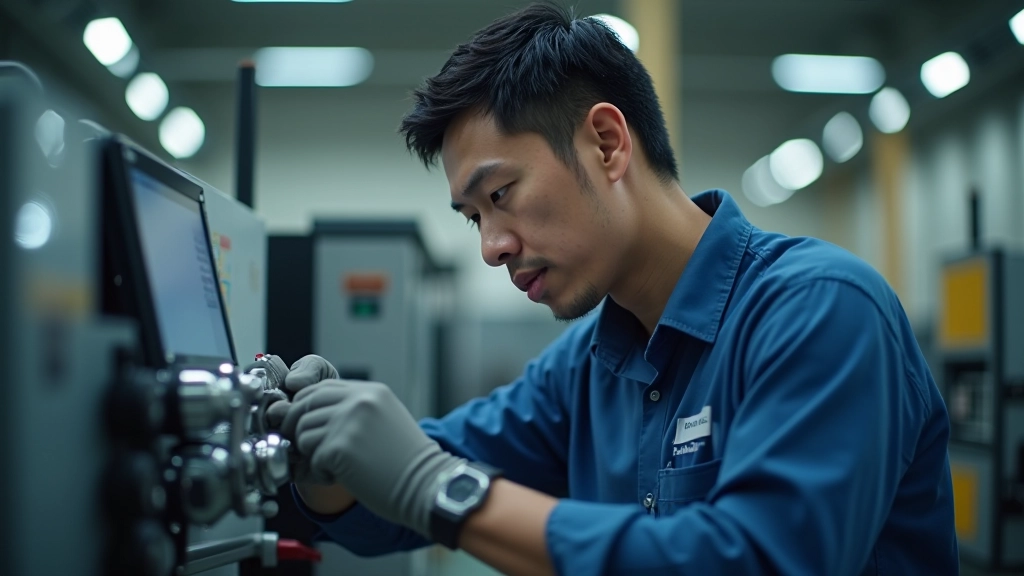
Skilled technician working with modern equipment in professional training facility

Skilled Labour Shortage: What Employers Actually Need

Demand for skilled workers keeps growing. We look at which skills matter most, where the gaps are biggest, and how to position yourself in a competitive market.

8 min Intermediate March 2026
Read More
Person using smartphone and laptop for gig work from home workspace

Gig Economy Growth: The Rise of Flexible Work in Malaysia

Ride-sharing, freelancing, and delivery work keep expanding. We examine growth indicators, who’s participating, earnings potential, and what this shift means for Malaysia’s workforce structure.

7 min Beginner March 2026
Read More

Key Insights Into Malaysia’s Labour Landscape

1

Participation Varies by State

Employment participation isn’t uniform across Malaysia. Urban centres like Kuala Lumpur and Selangor show higher rates than rural states. Age, education level, and gender also influence who participates in the formal workforce.

2

Wage Policies Create Market Ripples

When minimum wage increases, businesses respond in different ways. Some hire fewer people, some automate more, and some raise prices. Small businesses often feel the impact differently than large corporations.

3

Tech Skills Command Premium Pay

Software development, data analysis, and digital marketing roles consistently offer higher salaries. Companies compete hard for these talents, creating real opportunities for people who develop these skills.

4

Gig Work Offers Flexibility, Not Stability

Gig economy jobs provide schedule freedom but typically lack benefits, job security, and predictable income. Many people use gig work as supplementary income rather than a primary career path.

Understanding Malaysia’s Economic Context

Malaysia’s labour market doesn’t exist in a vacuum. It’s shaped by broader economic forces — regional competition, technology adoption, government policies, and global trade patterns. When you’re looking for work or managing a team, understanding these bigger trends helps you make smarter decisions.

The economy’s shift toward services and technology means certain skills matter more than they used to. Manufacturing still employs plenty of people, but growth increasingly comes from tech, finance, and creative industries. That’s why skilled labour demand keeps climbing in specific sectors while traditional roles face different pressures.

Minimum wage policy sits right at the intersection of worker welfare and business viability. It’s not simply about fairness — it’s about how markets adjust. When wages go up, hiring patterns change. Some jobs disappear, some become more automated, and some new opportunities emerge. Real people experience these shifts in their daily work lives.

The gig economy represents something genuinely new. Digital platforms created entirely fresh categories of work that didn’t exist a decade ago. For some people it’s liberation — work on your own terms. For others it means uncertainty and missing traditional protections. Most gig workers we see are using it strategically, combining platform work with other income sources to build flexibility into their careers.