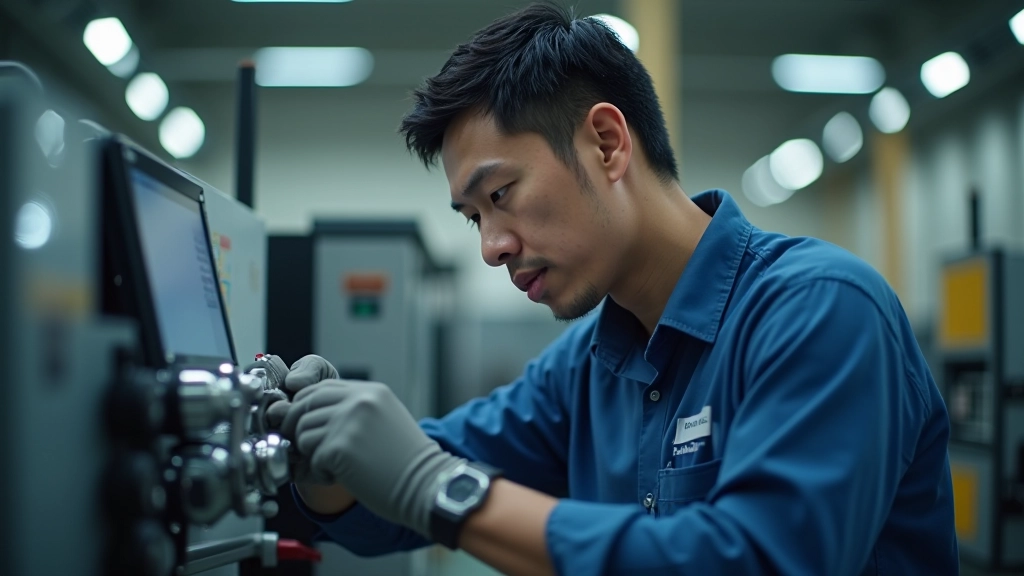

Employment Participation Rates: Who’s Working in Malaysia?
Recent data shows how participation rates vary across regions, demographics, and employment types. Understanding these patterns helps explain the broader labor market landscape.
Read MoreRide-sharing, freelancing, and delivery work keep expanding. We examine growth indicators, who’s participating, earnings potential, and what this shift means for Malaysia’s workforce structure.

Malaysia’s workforce is changing. Fast. What once felt like a side hustle or temporary option—driving for a ride-sharing app, taking freelance projects, making deliveries—has become a serious income source for thousands of people. It’s not going anywhere.
The numbers tell the story. Since 2019, gig economy participation in Malaysia has grown steadily. We’re talking about real people making real money through flexible work arrangements. Some do it full-time. Others fit it around their main job. The point is, it’s here, it’s growing, and it’s reshaping how people think about employment.
But what does this actually mean? Who’s working in the gig economy, how much can they actually earn, and what happens to job security and benefits when your employer is an app? These are the questions we’re exploring.

Let’s start with the facts. Malaysia’s gig economy has expanded significantly over the past five years. In 2019, approximately 1.2 million Malaysians participated in some form of gig work. By 2024, that number had grown to nearly 2.8 million people—more than doubling in just five years.
That’s substantial growth. And it’s not slowing down. Ride-sharing platforms like Grab and Gojek employ hundreds of thousands of drivers. Freelance platforms such as Upwork and Fiverr connect Malaysian professionals with clients worldwide. Food delivery apps are everywhere. E-commerce platforms like Shopee and Lazada depend on thousands of independent sellers.
What’s interesting isn’t just the total number—it’s the diversity. You’ve got university graduates doing freelance writing. Retirees driving for ride-sharing apps. Students taking delivery gigs between classes. Parents managing online businesses from home. The gig economy isn’t one thing. It’s many things, for many different people.

The stereotypical gig worker doesn’t really exist anymore—if it ever did. Today’s gig economy participants come from everywhere. Age ranges from 18 to 65. Education levels vary from secondary school to university degrees. Income motivations differ completely from person to person.
Some people do gig work because they’ve got no choice. Their main job doesn’t pay enough. Others choose it deliberately—they prefer the flexibility over traditional employment. Still others use it strategically, combining gig income with other work or studies.
The data shows interesting patterns. About 35% of gig workers in Malaysia treat it as their primary income source. The remaining 65% use it as supplementary income alongside other employment. Women make up roughly 30% of ride-sharing drivers but dominate the freelance and online selling sectors—closer to 55%. Age skews younger overall, but you’ll find experienced professionals in every category.
Geography matters too. Urban areas like Kuala Lumpur, Petaling Jaya, and Selangor have higher gig economy concentration simply because there’s more demand. But secondary cities and smaller towns are catching up as delivery apps expand and internet access improves.
This is the question everyone asks. Real answer? It depends—on the platform, your effort level, location, and experience.
Ride-sharing drivers in Malaysia average between RM1,800 to RM3,500 per month if they work full-time. That’s roughly 10-12 hours per day, six days a week. During peak hours and high-demand periods, earnings can spike. But you’re also paying for fuel, maintenance, and vehicle depreciation. After expenses, net income typically falls between RM1,200 to RM2,500 monthly.
Delivery riders see similar ranges—RM1,500 to RM3,000 monthly for full-time work. But the gig is usually shorter in duration. Flexible freelancers? That’s a wider spectrum. Someone offering writing services might earn RM50 to RM200 per article. A web designer could charge RM2,000 to RM10,000 for a project. Online sellers range from making a few hundred ringgit monthly to running full businesses generating RM50,000 plus.
The reality is this: gig work won’t make you rich. But it can provide genuine income when you’re strategic about it. The highest earners treat it like a business—they manage their time, invest in quality (better photos for sellers, professional portfolio for freelancers), and build reputation systematically.


Gig work sounds flexible and liberating. And it is—to a point. But there’s a flip side that matters.
First, there’s no employment protection. You’re not technically an employee. You don’t get sick leave, annual leave, or maternity benefits. If the platform changes its algorithm or reduces rates, you can’t negotiate. If they deactivate your account, you lose access instantly with minimal recourse. You’re operating in a gray area legally—some protections exist, but enforcement is inconsistent.
Second, income is unpredictable. Some weeks are fantastic. Others are slow. During public holidays or bad weather, demand might drop sharply. You’re always competing with other gig workers, which can drive rates down. Burnout is real—when your income depends on how many hours you work, taking a day off literally costs you money.
Third, you’re responsible for everything. Equipment maintenance? Your problem. Health insurance? You need to arrange it privately. Tax obligations? You’re self-employed, so you need to handle that. Most gig workers don’t have formal accounting systems, which creates complications.
Finally, there’s the human cost. Isolation is common—you’re working alone, with minimal interaction. Safety concerns exist too, especially for ride-sharing and delivery workers. Work-life boundaries blur when your workplace is literally everywhere.
Flexibility is genuinely valuable. People can earn money on their own terms. Single parents, caregivers, and students benefit enormously. It’s created economic opportunities in areas where traditional employment is scarce. And for some, gig work is genuinely better than their previous options—more money, better schedule, more autonomy.
Over-reliance on gig work for income security is risky. Without traditional employment protections, economic shocks hit harder. The social safety net has holes. Plus, when gig work becomes the default, it can suppress overall wage standards and job quality across the market. Employers see people accepting flexible, unprotected arrangements and adjust expectations accordingly.
The gig economy won’t disappear. That’s clear. But it’s evolving. Malaysia’s government is paying more attention. There’s discussion about minimum income protections for gig workers, standardized safety requirements, and clearer tax frameworks. Some progress is happening—insurance products designed for gig workers are becoming available, and platform policies are getting scrutinized more carefully.
Realistically, we’ll probably see a hybrid future. Some gig workers will transition into formal employment with the platforms (though platforms resist this). Others will continue as independent workers but with better protections and more transparency. New platforms will emerge, and some existing ones will consolidate or disappear.
What won’t change: flexibility is here to stay as an option. Whether it becomes a better or worse option depends on policy, platform choices, and how workers organize themselves. The next five years will matter significantly in shaping what Malaysia’s gig economy looks like in 2030.

Gig work is reshaping Malaysia’s labor market. Understanding it—honestly, with both benefits and challenges—matters whether you’re considering it yourself or trying to understand broader workforce trends.